

Featured Product

Customer Reference
Mikita K. Browning
Commissioner | Atlanta Department of Watershed Management
Key Points
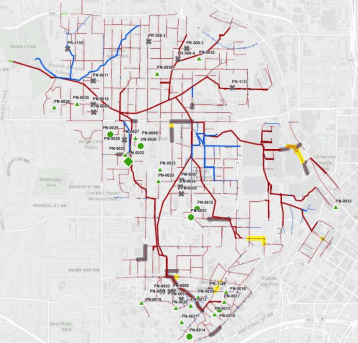
Prior to the optimization study, DWM identified a range of potential projects in the North Avenue, Clear Creek, and Intrenchment Creek basins to improve hydraulic performance and water quality. The projects involved grey (pipes, tanks etc.) and green infrastructure projects (rain gardens, swales etc.). Having identified these projects, DWM needed to determine which were the most effective to meet performance goals.
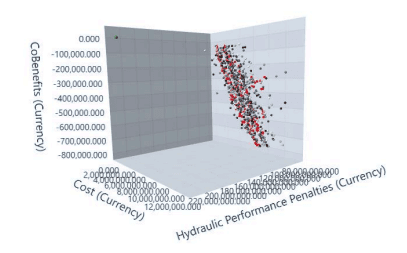
Using the Optimizer™ platform, the project team was able to develop a multi-objective optimization framework where three separate objectives could be utilized simultaneously:
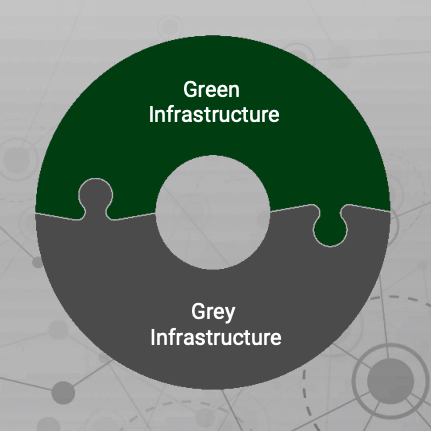
The incorporation of the TBL objective allowed for the green infrastructure projects to be more fairly weighted in the optimization and is more beneficial than grey infrastructure.
Analysis Outcomes
The project was able to produce hybrid LTCP solutions that cost $65M less than previously proposed greyonly solutions while achieving the same level of hydraulic performance. The proposed solution also scored well for the monetized TBL objective.
The multi objective optimization approach produced excellent results for the North Ave, Clear Creek, and Intrenchment Creek basins. This resulted in a cumulative cost savings of $65M from a previously developed LTCP strategy that was developed using traditional design methods.
Conclusion
The success of the optimization effort can be contributed to the following:
About
Optimatics is changing the trajectory of public utility economics, powering outcome-driven analytics strategies that achieve new levels of operational and community impact. With Optimatics, infrastructure leaders leverage an intelligent platform combined with their engineering judgment to explore the full range of options and tackle complex decision-making with confidence.